
Benefits of Laser Cleaning
A Modern Approach to Surface Restoration
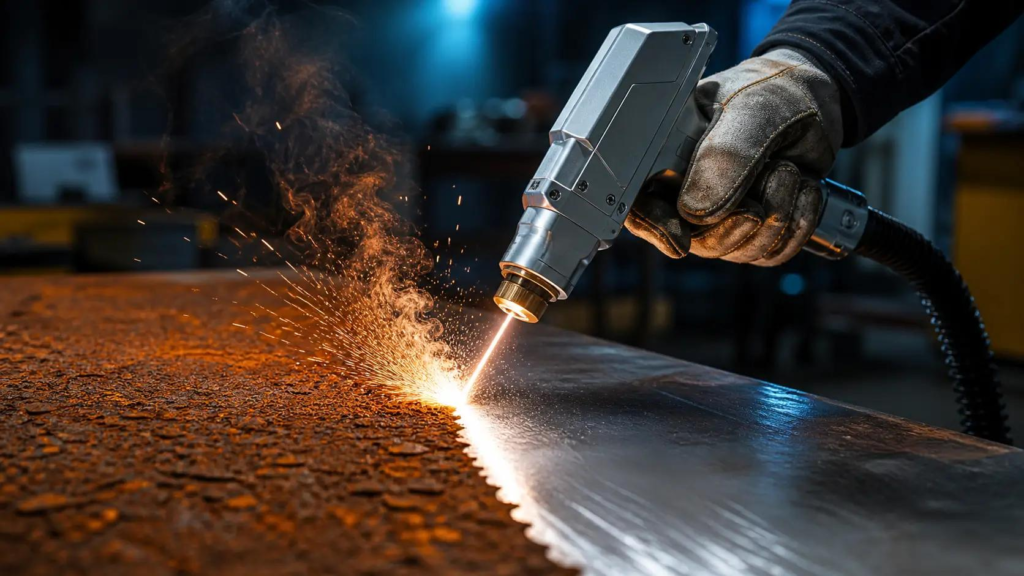
Laser cleaning is a precision surface-treatment method that uses controlled laser energy to remove selected contaminants, coatings and unwanted deposits from suitable materials.
At Advanced Laser Restoration, we assess the surface and the type of contamination before recommending an appropriate cleaning approach.
Precision and Control
Laser cleaning can allow targeted treatment of selected areas, helping to minimise unnecessary work on surrounding surfaces when the material and contamination are suitable.
Reduced Use of Chemical Cleaning Agents
Laser cleaning can reduce or avoid the need for certain chemical cleaning products, depending on the application. This may help reduce chemical use and associated waste.
Potentially Less Abrasive Treatment
Unlike conventional abrasive methods, laser cleaning does not rely on blasting the surface with abrasive media. However, the laser settings and material must still be carefully controlled to minimise the risk of surface damage.
Reduced Secondary Waste
Because the process does not require abrasive blasting media, it may reduce secondary waste. Removed coatings and contaminants still need to be captured, handled and disposed of appropriately.
Versatile Applications
Subject to assessment and equipment suitability, laser cleaning may be appropriate for rust and corrosion, paint and coating removal, soot and carbon deposits, graffiti, selected stone and masonry surfaces, industrial components and restoration work.
A Tailored Approach
Every project is different. We consider the substrate, contamination, required finish, access, working environment and project objectives before recommending a suitable approach. Results depend on the material, contamination, equipment, operating parameters and site conditions. Not every surface is suitable for laser treatment.
Key Benefits
Safety and Responsible Working
Safety Comes First
Laser cleaning requires appropriate equipment, trained operators and effective controls. At Advanced Laser Restoration, safety must be considered before, during and after every treatment.
Our approach includes:
Assessing the working environment and identifying relevant hazards.
Selecting suitable controls for the laser equipment and application.
Establishing appropriate laser-controlled areas and access restrictions.
Using suitable protective equipment, including laser-rated eye protection where required by the risk assessment.
Assessing fumes, airborne particles and potentially hazardous substances released during cleaning.
Providing appropriate ventilation, extraction and contamination-control measures where necessary.
Protecting nearby people, equipment and surfaces from unintended exposure.
Following applicable equipment instructions, workplace safety requirements and relevant legislation.
Ensuring work is undertaken only by appropriately trained and authorised personnel.
Where the work involves lead-containing coatings, hazardous residues, sensitive heritage materials or other significant risks, additional assessment and specialist controls may be required.
We will not recommend or undertake a treatment until the relevant risks and practical requirements have been considered.

Surface Assessment and Project Planning
The Right Treatment Starts with the Right Assessment
Before recommending laser cleaning, we need to understand the surface, the contamination and the result you want to achieve.
Our assessment process considers:
01
The Substrate
We identify the material to be treated, which may include metal, stone, masonry or another suitable surface.
02
The Contamination
We assess the type and condition of the material to be removed, such as rust, paint, soot, carbon deposits or graffiti.
03
Surface Sensitivity
We consider whether the substrate has a coating, patina, delicate finish or historical significance that may require additional care.
04
Access and Working Conditions
We review the size and location of the work area, access requirements and whether the work is to be completed on-site or in a suitable workshop.
05
The Required Result
We discuss the customer's objectives, including the desired finish and any requirements for subsequent treatment, coating or restoration.
06
Testing and Recommendations
Where appropriate and practical, we may recommend a controlled test area to evaluate the proposed treatment before proceeding with the wider project.
Following assessment, we can advise whether laser cleaning appears suitable, whether further
testing is required or whether another method may be more appropriate.
Quality Control
A Consistent and Considered Approach
Quality begins with understanding the customer’s requirements and agreeing the intended outcome before work starts.
Our quality-control approach includes:
Recording the agreed scope of work and the surfaces to be treated.
Assessing the substrate and contamination before treatment.
Agreeing the expected finish and any limitations.
Using appropriate operating parameters for the application.
Monitoring the treatment process and checking the surface as work progresses.
Inspecting the treated area against the agreed requirements.
Identifying any areas requiring further attention, where appropriate.
Discussing any limitations or additional work with the customer.
Providing photographs of the work where agreed and practical.
The suitability of laser cleaning and the achievable finish vary by application. We will explain relevant limitations and will not promise a particular outcome without a reasonable basis for doing so.
